
ResearchGlobal Macro
When an Energy Shock Becomes a Broader Inflation Problem
- Report or archive date
- Archive placement April 17, 2026
- Reading time
- 2 min read
Summary
Separating an immediate price jump from persistent economic effects.
An energy shock starts with a relative price change, but its economic consequences reach far beyond the fuel bill. The critical questions are who pays, who receives the income, and whether the shock changes wages, spending, or expectations. Those channels determine whether the disturbance fades or becomes more persistent.
Direct and Indirect Effects of Higher Energy Prices
The March CPI release showed headline prices rising 0.9% for the month and energy prices rising 10.9%. Those observations describe the initial consumer-price impact. They do not establish how much of the shock will remain in underlying inflation a year later.

An airline can absorb higher fuel costs, raise fares, reduce capacity, or combine all three. A household can cut discretionary purchases to preserve spending on transportation and utilities. A producer may receive higher revenue while an importer experiences lower real income. These adjustments distribute the shock unevenly across sectors and countries.
Second-round effects are different. They arise when a temporary price increase influences wage bargaining, contracts, pricing practices, or expectations of future inflation. Persistence becomes more plausible when businesses repeatedly pass through costs and workers seek compensation for sustained losses in purchasing power. It remains an inference to be tested, not an automatic consequence of higher oil prices.
The policy trade-off
Higher interest rates cannot produce additional energy directly. They can influence demand, credit, and the persistence of price increases. That creates a difficult balance when a supply disruption raises inflation while reducing spending power. The IMF’s April outlook explicitly made its baseline conditional on a conflict limited in duration and scope.
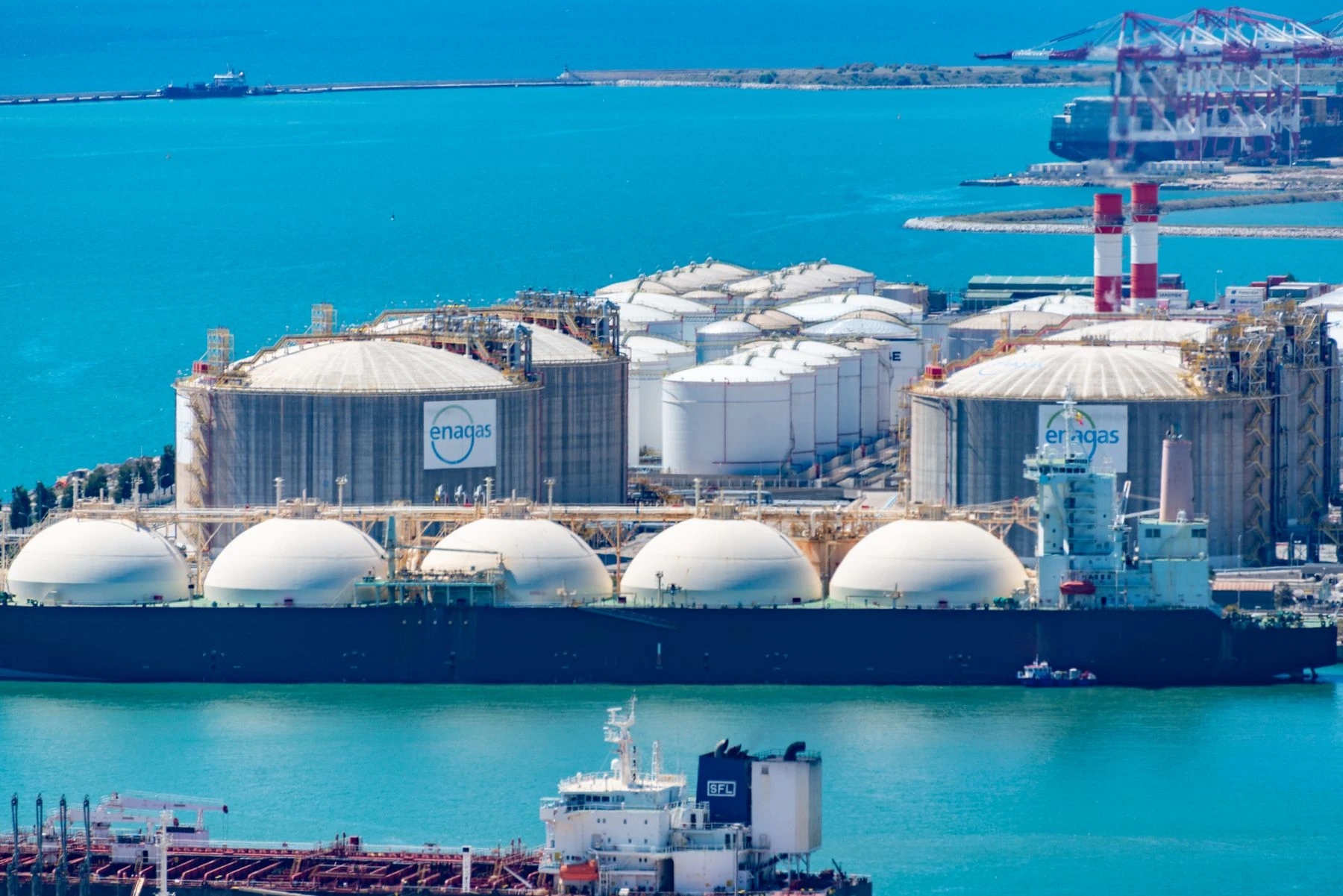
For portfolio analysis, the same shock can hurt nominal bonds through inflation pressure and hurt equities through weaker margins or demand. Energy producers may behave differently, but their exposure also depends on costs, hedging, and policy.
What to monitor
The relevant dashboard includes energy prices, underlying inflation, wage developments, and business pricing behavior. A reversal in fuel prices would ease the direct burden; it would not instantly reverse every contract or spending decision. The most useful conclusion describes which transmission channels are active and which remain only plausible risks.
Related research

ResearchGlobal Macro
Reading a Labor Market That Sends Mixed Signals
Why payroll growth and unemployment do not always tell the same story.
ResearchGlobal Macro
Fiscal Support Today, Financing Questions Tomorrow
A framework for evaluating public spending without reducing the debate to one debt ratio.

ResearchGlobal Macro
Inflation Is a Basket, Not a Single Price
Reading the difference between headline inflation, underlying pressure, and personal experience.